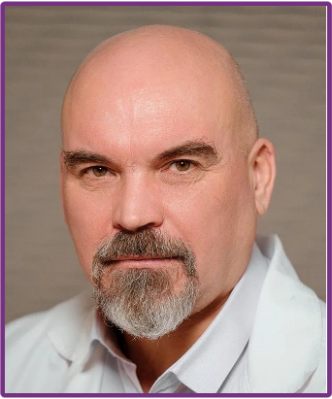
 Readers of our magazine are well-acquainted with peptide-based cosmetics and successfully incorporate them into their daily routines. However, as our correspondent discovered, peptides have been effectively used for many years in the treatment and management of various health disorders, not only as cosmetic products but also as pharmaceuticals and dietary supplements. We discussed this topic and more with Igor Viktorovich Kashaboy, a pediatrician, immunogeneticist, and Chairman of the Presidium of the Association of Connective Tissue and Integrative Medicine Specialists.
Everyone knows about peptide cosmetics, but few consider that beauty, energy, skin condition, and the sparkle in the eyes reflect the internal state of the body, your health, and proper regulation of metabolic processes, especially in the connective tissue.
Peptides were discovered in 1902 by Hermann Fischer. The first peptides were isolated from protein hydrolysates, and from the mid-20th century, their active synthesis began. The first synthesized peptide was oxytocin, followed by insulin. Imagine the significance of this for all humanity!
Peptides are compounds of amino acids, the molecules that proteins are made of, linked by specific bonds. Unlike proteins that fold into a “ball,” peptides are stretched out in a line, which is important! Peptides consist of amino acid sequences from 2 to 10 and are called oligopeptides; if there are more but up to 50, they are polypeptides.
This clarification is very important! The fact is that linear amino acid structures do not require destruction as foreign proteins for our immune system and therefore do not cause immune reactions. Most importantly, such a structure allows them to penetrate the skin, intestinal epithelium, and possibly the blood-brain barrier unimpeded. Any protein folded into a “ball” is foreign to the immune system and can trigger an immune reaction, up to anaphylactic shock with a fatal outcome.
In this sense, peptides do not cause such a reaction and are currently considered regulatory factors that affect cell metabolism. It is crucial to understand that all peptides are organ-specific compounds and act only on certain types of cells.
Certainly. It means that peptides for nerve cells only affect nerve cells and cannot act on skin, heart, liver, or intestinal cells and vice versa. This is very important for understanding their targeted action and the purpose of their use, as well as their absolute safety, lack of complications, and high specificity. Therefore, they are now called regulatory peptides, compounds that not only act on certain types of cells but also signal the body about the functional state of an organ. Currently, over 2,000 peptides have been discovered that regulate the activity of skin cells. However, if we look at the entire body, it turns out that with increased sensitivity of the method, hundreds of thousands of peptides can be identified in the body that maintain homeostasis (balance of metabolic processes) in the body. Moreover, there are studies suggesting that some peptides can repair damaged genetic material in cells, increase telomere length, which means increasing lifespan, restore protein synthesis, energy, and neutralize free radicals. Naturally, research is ongoing, medical science is developing, heated debates are taking place, and there are lobbyists for different “Pharma” positions, which I do not comment on. There are proven statements and assumptions; let fundamental medicine deal with the academic side of things. We, practitioners, act according to tested methods. Many prominent scientists believe, and I agree with them, that peptides are the most promising and safe direction in non-pharmacological impact on connective tissue, as peptides are natural metabolites of the body and are produced by it to regulate the activity of cells of various organs: from the brain to skin cells, blood vessels, bones, joints, etc.
Fascinating! But in our conversation, you mentioned the connection between peptide cosmetology, beauty, health, appearance, and the state of internal organs and overall human health.
Yes, this is a very important aspect that, due to the limited capabilities of cosmetologists, escapes their attention. Everyone should do their job. But as a doctor of connective tissue, integrative medicine, I always see cosmetic manifestations of internal pathology. There is a type of pathology called connective tissue dysplasia, which I consider a variety of connective tissue insufficiency. “Dysplasia” means developmental disorder, usually established in utero and develops in the first years of life until 14-15 years old, leading to impaired CT functions. Connective tissue dysplasia accompanies a person throughout their life. According to our data, up to 85% of the population suffers from this condition, with moderate to severe degrees. According to the Russian Society of Therapists, this pathology includes 30 clinical-functional syndromes. For example, myopia – vision impairment, heart valve pathology, developmental anomalies and functioning of the gastrointestinal tract, lungs, bones and joints, central and peripheral nervous system, reproductive organs, etc. Moreover, this list of 30 clinical-functional syndromes includes the syndrome of sudden death. A well-known case occurred during the youth world hockey championship in Kolomna when a 16-year-old hockey player suddenly died. This is the syndrome of sudden death as a manifestation of acute connective tissue insufficiency, a pathology unknown to sports doctors, who do not know how to recognize it. By the way, we teach this in our Association.
But for us, it is important that the list of syndromes includes a cosmetic syndrome, which determines the characteristics of skin healing after cosmetic surgeries, subcutaneous tissue circulation, and the development of striae, not only after childbirth but also in girls who have never given birth, the formation of cellulite, even in thin and slender models, etc. As we see, many manifestations of the cosmetic syndrome are hidden under clothes, but it is very important that connective tissue dysplasia is always a complex pathology accompanied by several syndromes – cosmetic and pelvic floor weakness, joint hypermobility and asthenia, syncopal (fainting) conditions and vascular syndrome, dysmenorrhea, and immunological disorders, and so on. These thirty syndromes include more than two hundred different diagnoses, and it can be very difficult to understand their interconnections.
As we can see, the cosmetic syndrome is almost always accompanied by other polyorganic disorders, but for us, it is important that the combination of these disorders and the specificity of connective tissue metabolism can create and do create problems during cosmetic procedures, from wound healing peculiarities after surgeries, such as excessive scarring and keloid formation, to the syndrome of catastrophic, premature aging. By the way, in our association, we train cosmetologists in the principles of integrative cosmetology and recognition of connective tissue insufficiency development syndromes.
The answer to this question lies in the article’s title. I professionally deal with the correction of connective tissue insufficiency and dysplasia. The fact is that there are four types of tissue in our body: muscle, epithelial, nervous, and connective tissue. If we look at the body from this perspective, 85% of our body structure is connective tissues. In this case, it can be said that connective tissue provides a wide variety of functions and maintains the body, organ, and individual cell in working condition. Let me list a few functions: nutrition (blood) and elimination of cell metabolism products (lymph), protection: mechanical (skin) and immune (bacteria, viruses), structural (bones, ligaments) and formative (shape and size of an organ), morphogenetic (oncology), including intrauterine fetal development and plastic (wound healing), maintaining blood pressure, acid-base balance, etc. As we have seen, the functions of connective tissue are diverse and numerous. And if we look at a person who comes for a consultation with a specific “bouquet” of diseases, a connective tissue integrative medicine doctor finds a dysfunction of connective tissue in various manifestations. Then the treatment and rehabilitation of such a patient focus on restoring lost functions.
According to the recommendations of the Russian Scientific Society of Therapists for the correction of connective tissue dysplasia, the main drugs prescribed to such patients are non-medical drugs and dietary supplements, which is understandable, as these patients primarily need nutraceutical support and compensation for deficits: microelements, vitamins, amino acids, fats, etc. It is important to prescribe drugs that act on the pathogenetic mechanisms of connective tissue insufficiency development that led to dysplasia. And here, it is necessary to have drugs that directly affect connective tissue and its structural elements. I have a wide range of products and drugs that I use. Usually, these are biopreparations from plant, animal, or marine raw materials that do not cause complications, overdoses, and are products that improve connective tissue metabolism. Also, normalizing the function of blood vessels, lungs, immune system, gastrointestinal tract is very important, depending on the condition of the gastrointestinal tract, its microbiotadirectly affects how proteins and fats, microelements and vitamins will be digested and assimilated, how the immune system will function, and how many neurotransmitters will be synthesized, etc. What we eat is important for us, fulfilling the daily requirement of life-sustaining ingredients.
Do peptides also belong to such drugs?
Certainly, because these are the drugs that have a direct effect on the structural elements of connective tissue and the organism as a whole.
For us, it is crucial to use peptides for correcting connective tissue insufficiency and dysplasia, and here it is very important to consider several factors that influence our choice: first is the raw material, second is the production technology, and third is the composition.
The raw material can be cattle (beef), marine animals, etc. The production technologies are very important, there are two approaches: chemical synthesis and protein hydrolysis to separate, specified amino acid sequences. Finally, the composition. There are mono-peptide drugs containing one specific peptide, polyfunctional drugs containing 2-3-5 different peptides, and combined drugs that, besides the specified peptide, contain a complex of substances that enhance the peptide’s effect due to necessary ingredients, providing the cell with “building” material.
As you can see, the choice is not easy. In the USA and the EU, the sale of peptide drugs from Russia using cattle and other animals is prohibited due to the inability to obtain a sanitary certificate, the same applies to synthetic peptides – they are simply banned from sale. The composition is relatively simpler, but I always prefer combined drugs. I had cases when monopeptides for the brain were prescribed, and it made the child feel worse because the physiological stimulation of nerve cells was not provided with metabolites necessary for the normal functioning of these cells.
Thus, the optimal choice for me is peptides produced using ecologically clean marine raw materials, natural biological protein hydrolysis mechanisms that replicate the work of our intestines, and combined drugs enriched with “building” material for the peptide’s action. Marine raw material itself is quite rare, expensive, but very effective. Such peptides are produced from sea urchins or trepang, also known as sea cucumber in Chinese medicine. I can give an example of manufacturers with whom I have long been cooperating. These are the companies “Verover Pharma” and “Ideal Pharma Peptide.” They additionally use medicinal herbs and vitamins that, together with peptides, enhance the effect. For example, Arthropeptin: it contains a unique cartilaginous peptide complex (IPH AEN), which actively restores and strengthens the body’s cartilaginous tissue. The peptide complex is additionally enriched with beneficial substances for accelerated absorption: collagen hydrolysate; low molecular weight hyaluronic acid, as well as eggshell membrane hydrolysate. Thus, a combined drug is obtained that contains not only the peptide but also a whole complex that meets the needs of cartilage cells, stimulates and nourishes fibroblasts, promotes hyaluronic acid production, and as you well know, it is a source of skin beauty and youth.
Or, for example, osteopeptin, which replenishes calcium deficiency, contains a chelated, bioavailable form of calcium bisglycinate and vitamin D3, as well as the natural peptide IPH AG, produced by a unique biofermentation process that preserves biologically active properties. The ingredients included in Osteopeptin®, interacting synergistically, provide a high degree of calcium absorption and bioavailability.
A fracture is a disruption of the connective tissue’s supportive function, as bones are 100% connective tissue structure. Therefore, undoubtedly, all the above-mentioned peptides help the connective tissue to heal much faster, meaning faster recovery and return to active life. This also applies to conditions associated with osteoarthritis, arthritis, osteoporosis, scoliosis, osteochondrosis, etc., especially for the purposes of prevention and correction of bone and cartilage tissue function disorders, in pregnant women, during menopause in women, during active sports and physical exertion.
I remind you that I am a pediatrician, who, as many believe, only treats children. But this is not the case. Therapists can only accept adults. But pediatricians have a double and more complex job. Try to cure a three-month-old baby who cries but cannot say anything. Therefore, I not only accept children but also adults, and I see the best result when the whole family comes for a consultation, as I have already noted.
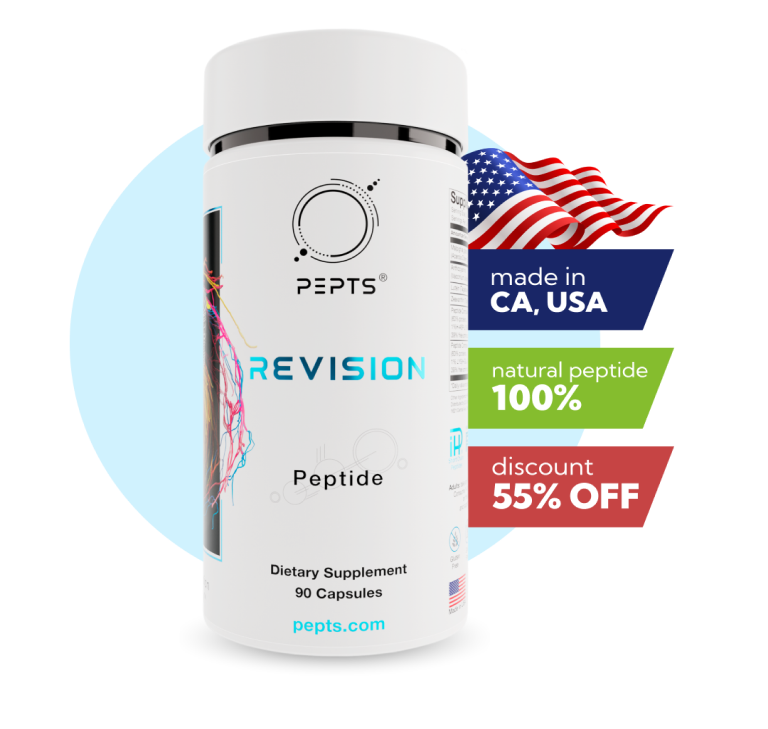
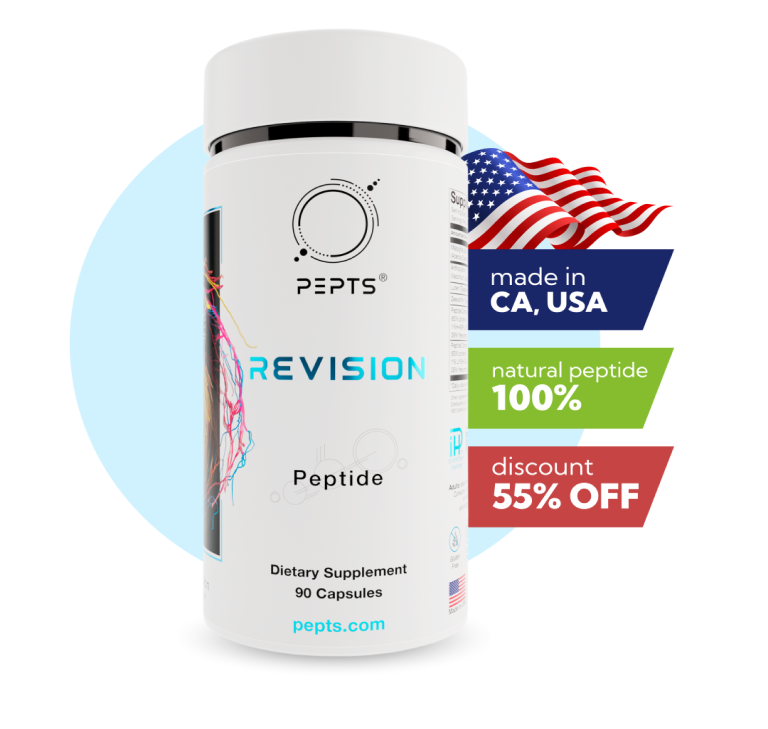
Pepts reVision is the ultimate solution for individuals seeking to improve their eyesight and enhance overall eye health.
Pepts reVision is the ultimate solution for individuals seeking to improve their eyesight and enhance overall eye health.
Pepts reVision is the ultimate solution for individuals seeking to improve their eyesight and enhance overall eye health.
Pepts reVision is the ultimate solution for individuals seeking to improve their eyesight and enhance overall eye health.
Pepts reVision is the ultimate solution for individuals seeking to improve their eyesight and enhance overall eye health.
Pepts reVision is the ultimate solution for individuals seeking to improve their eyesight and enhance overall eye health.