In recent years, the scientific community has increasingly recognized the importance of gut microbiota for overall human health. The gut microbiota influences a multitude of physiological processes, including metabolism, immune function, and even behavior. In this review, we examine the role of peptidobiotics—bioactive compounds capable of modulating the gut microbiota through various mechanisms, including altering the expression of antimicrobial peptides, regulating the sensitivity to glucagon-like peptide-1 (GLP-1), and affecting psychopathologies such as anxiety and depression.
The gut microbiota consists of billions of microorganisms living in our gut and plays a key role in maintaining the host’s health. Peptidobiotics, which are peptides with bioactive properties, can influence the gut microbiota by modulating its composition and function. This review aims to explore the mechanisms through which peptidobiotics interact with the gut microbiota and their potential therapeutic applications.
For the preparation of this review, an analysis of scientific articles published in PubMed and PMC databases was conducted using keywords related to peptidobiotics and gut microbiota. Studies describing the influence of peptidobiotics on the gut microbiota, their mechanisms of action, and potential application in treating various diseases were examined.
Research shows that peptidobiotics can modulate the gut microbiota through various mechanisms. For example, the peptide Reg3g is associated with the regulation of energy balance and glucose levels through interaction with the gut microbiota. Antimicrobial peptides and lysozymes in Drosophila regulate the composition and abundance of the gut microbiota, highlighting the importance of the immune system in shaping the gut microbiota.
Dysbiosis of the gut microbiota can reduce sensitivity to GLP-1 by affecting the expression of its receptor (GLP-1R) and neuronal NO synthase (nNOS) in the enteric nervous system. This discovery points to the potential role of the microbiota in regulating metabolic processes and provides new targets for metabolic disease therapy.
There is increasing evidence that the gut microbiota can influence the development of psychopathologies, such as anxiety and depression, through mechanisms related to gut peptides. This opens new perspectives for using peptidobiotics as a potential therapeutic agent for treating these conditions.
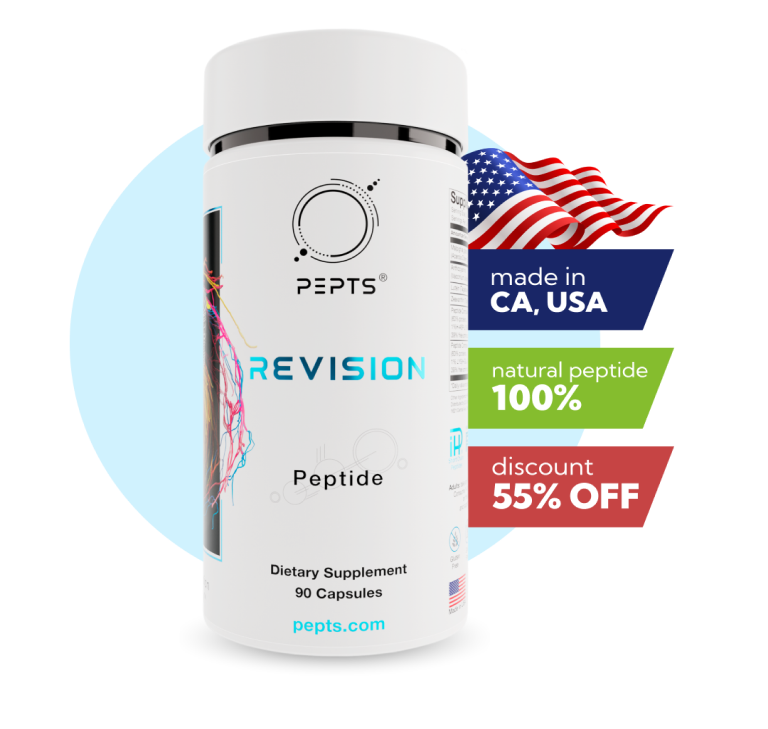
Pepts reVision is the ultimate solution for individuals seeking to improve their eyesight and enhance overall eye health.
Pepts reVision is the ultimate solution for individuals seeking to improve their eyesight and enhance overall eye health.
Pepts reVision is the ultimate solution for individuals seeking to improve their eyesight and enhance overall eye health.
Pepts reVision is the ultimate solution for individuals seeking to improve their eyesight and enhance overall eye health.
Pepts reVision is the ultimate solution for individuals seeking to improve their eyesight and enhance overall eye health.
Pepts reVision is the ultimate solution for individuals seeking to improve their eyesight and enhance overall eye health.